
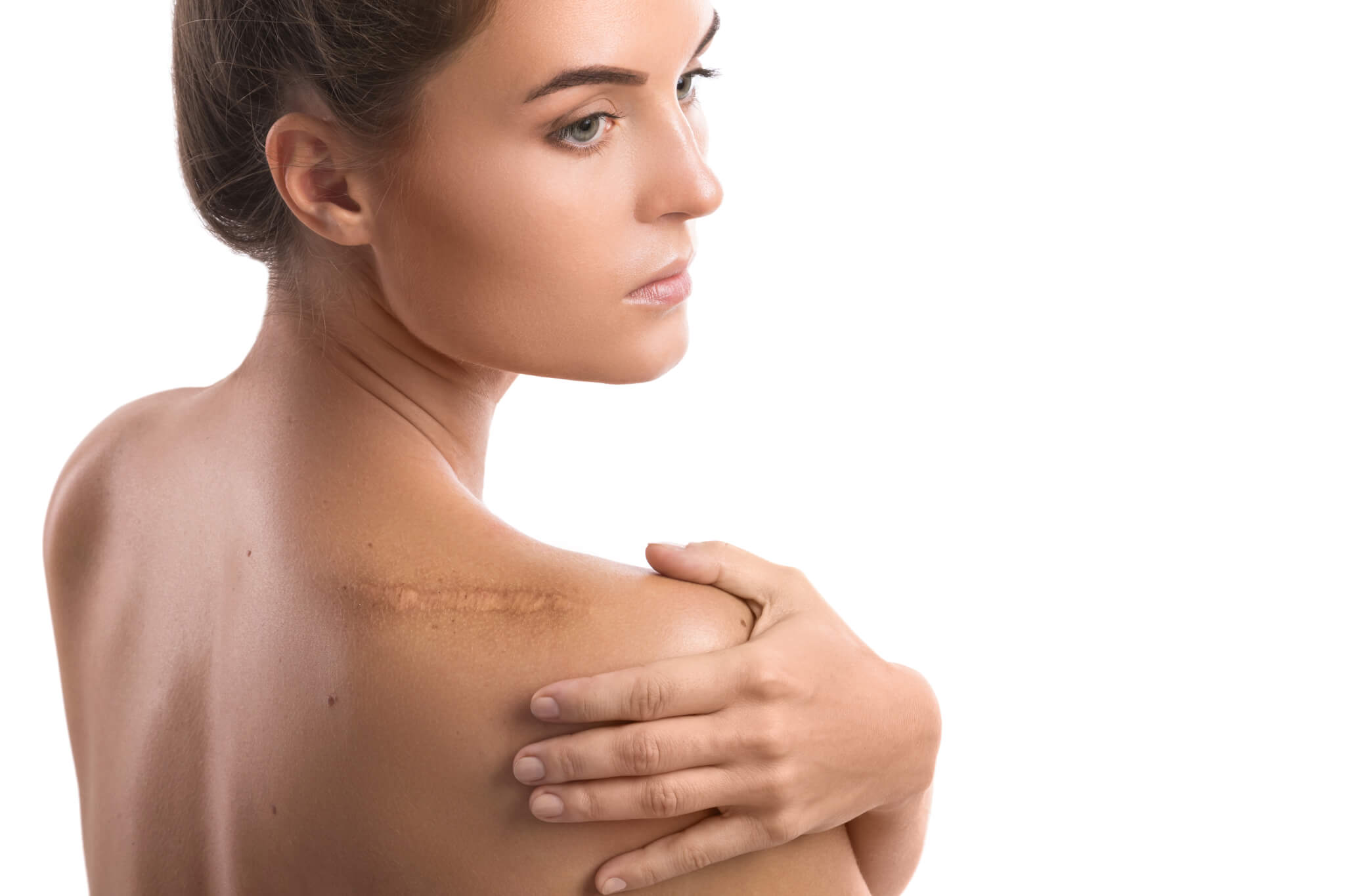
Although practically everybody wants to have beautiful skin, scars often pose a problem, and getting rid of them naturally is very tough to do.
Thanks to scar revision surgery, it’s now possible to diminish the appearance of scars anywhere on your body. This procedure is a common plastic surgery that gets rid of scars safely.
To understand how this procedure works, it’s first best you know how scars form in the first place.
What are Scars and What Causes Them?
Scars are the marks and imperfections left on the skin that result after a wound, cut, or burn heals. They are the product of damaged skin tissue and a disfigured dermis.
Scars can also appear if a wound is not treated or healed correctly. For example, exposing an unhealed wound to the sun can lead to scarring and hyperpigmentation in the area. Not keeping an injury dry can stimulate inflammation, which also leads to bulging scars.
Most scars disappear after a certain period, but if the wound was significantly deep, then they are prone to sticking around.
There are many types of scars out there; here are a few common ones, to name them:
Atrophic Scars
These scars appear due to a deficiency in collagen, a protein useful to strengthen the skin. They usually form when the skin is unable to regenerate tissue, leaving imbalanced scarring.
Keloids
Keloids form following an overly aggressive healing process, with the scar extending far beyond the original injury site. A keloid can develop anywhere, but most commonly occur where there is little underlying fatty tissue. With time, they can inhibit movement.
Burn Scars
These scars need slightly more care and precaution when treated. Often penetrating the skin quite deeply, burn scars result from wounds inflicted by fire or acid. This type of scar, also referred to an a contracture, can also restrict movement.
Hypertrophic Scars
Hypertrophic scars are raised, red scars that develop directly at a wound site, similar to a keloid. Unlike a keloid, however, these do not extend beyond the boundary of the injury, yet they can become wider with time if left untreated.
Acne Scars
Anyone who has dealt with severe acne will be familiar with these. Acne scars range from deep pits to wavy in appearance.

When Should You Get Scar Revision Surgery?
This type of surgery cannot be done on a whim. A significant amount of time should pass to allow an injury to close before you consider scar revision. Patients will usually have to wait a year post-wound to get this surgery.
The wait time can be credited to the varying nature of scars. The stipulated time frame of one year allows your doctor to formulate a proper analysis of how to best treat the injury. Following this much time, the skin is also easier to manipulate during the surgical procedure.
Precautions
To qualify as a candidate, you’re going to have to eliminate smoking from your life. A week before the procedure, you also should remove any topical remedies on the scar, as they might complicate the process.
Do not expose yourself to the sun for 24 hours before the surgery, and try to be as relaxed as possible. Not doing so can increase your blood circulation, possibly making scar removals near the face more difficult.
Scar Revision Surgery
It’s important to note that no two scars are the same. Therefore, scar revision surgery procedures may vary depending on the type of injury you have.
It’s also critical to consider that not all scar removal procedures are incredibly invasive. The recommendation can vary from injections and creams to quick surgical procedures or laser treatment.
It’s usually tricky to know which cosmetic procedure will help your scar situation the most. Always feel free to ask for your surgeon’s detailed assessment of your scars and plan to remove them efficiently.
Surgical treatments include several options like skin grafts, excision, dermabrasion, or laser surgery. Sometimes, less severe scars may be treated using creams, ointments, or gels. Otherwise, steroid injections can help with scars that stick out, like keloids or hypertrophic ones. Meanwhile, injections containing collagen or other fillers can help with pitted scars.