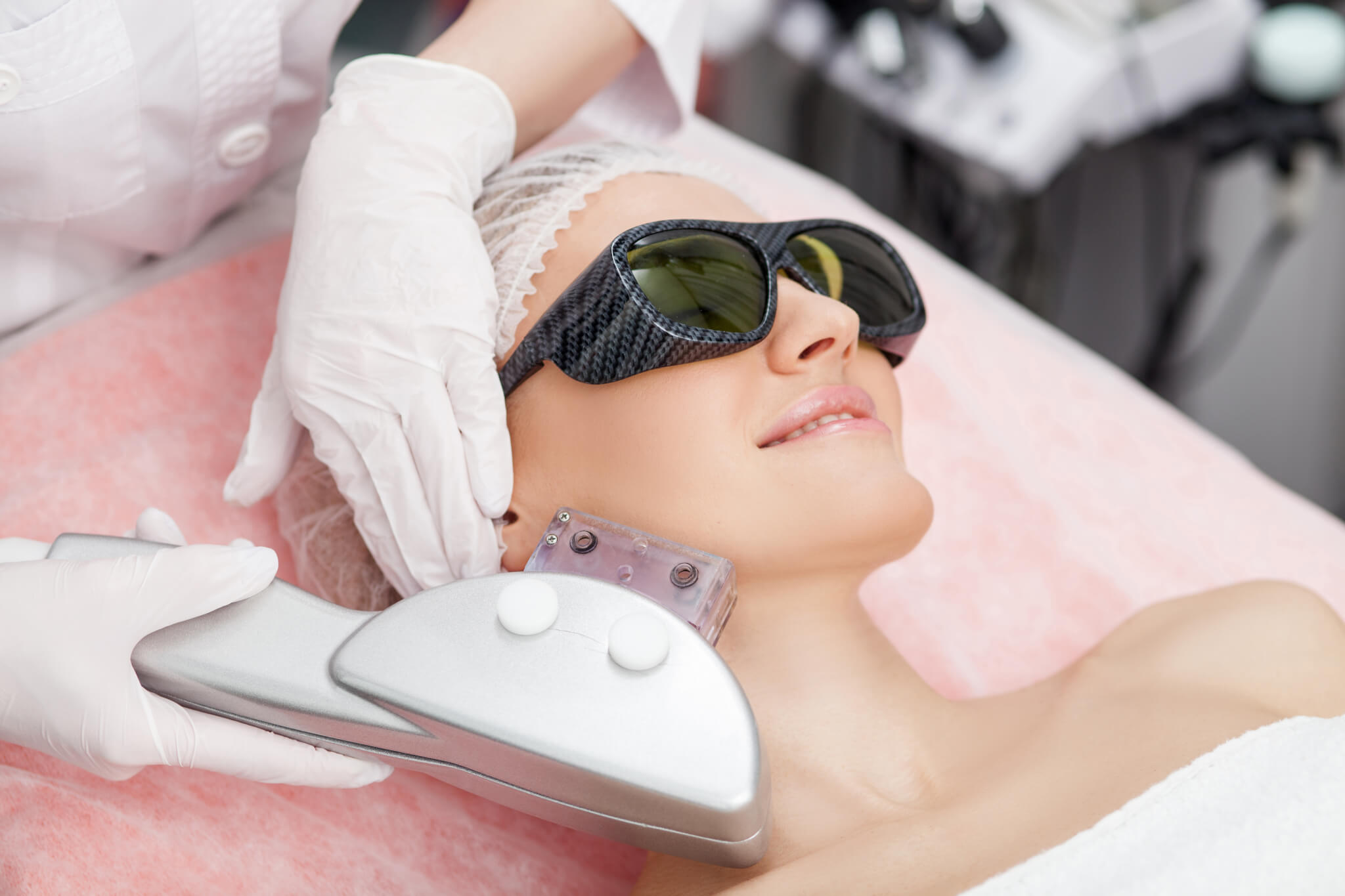
Skin resurfacing procedures can treat many types of undesired features, including wrinkles, age spots, scars, acne marks, and several other blemishes. Beyond reducing the appearance of these features, skin resurfacing can also tighten your skin and balance tone, helping to give you skin a youthful and healthy look.
These procedures are categorized according to whether they use ablative or non-ablative lasers. Ablative lasers remove outside layers of the skin, whereas non-ablative treatments do not. Keep in mind that results will largely depend on your specific skin’s reaction to the lasers, meaning your research can only do so much to prepare you for expected results.
Candidates for Laser Skin Resurfacing
Several factors can influence who is eligible and when they should receive this treatment. If you have blemishes related to aging, acne, or sun exposure, this procedure could prove highly beneficial for you. Features including blemishes, scars, wrinkles and lines, sagging skin, warts, and more can all be treated.
People with darker skin may not be ideal candidates for laser resurfacing because they have a higher risk of developing hyperpigmentation. Several have challenged the medical logic underlying this precondition, so consult with your doctor to decide what’s best for you. Those with moderate to severe acne or sagging skin are not best suited for the procedure, as well. Finally, because laser resurfaced skin will be sensitive to sun exposure for several months afterward, surgeons often recommend getting the treatment done during darker times of the year (fall and winter).
What Does This Procedure Cost?
The cost for your laser skin resurfacing will vary according to the number of sessions, the area treated, the surgeon’s or dermatologist’s experience, and geographic location. Ablative laser treatments will cost more than non-ablative ones ($2,330 vs. $1,031, on average), and keep in mind that insurance plans do not cover cosmetic procedures. Per data from the American Society of Plastic Surgeons, a rough average price for these treatments was $2,071 in 2018.
Preparing for the Procedure
Laser skin resurfacing will both resurface the outer layer of your skin while also heating the lower layers, which will help create smoother skin by promoting collagen production. Before your procedure, you will need to take several precautionary steps. These include talking to your doctor about any facial blemishes that could be worsened by resurfacing, stopping certain medications, ceasing to smoke, and taking a series of treatments that increase your skin’s treatment tolerance.
The Day of the Procedure
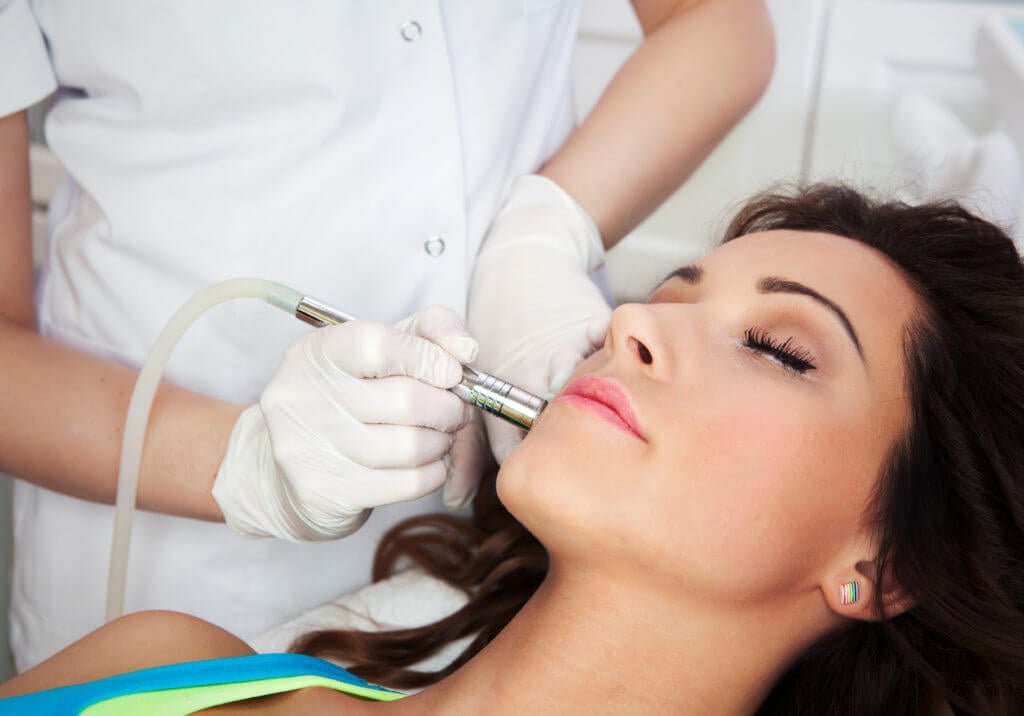
The procedure begins with your doctor applying a topical ointment or local anesthetic if the treatment is small. Those receiving treatment on the entire face will possibly require general anesthesia. The next step entails the cleaning of your skin, and then your face should be ready to go.
Your doctor commences the actual procedure by moving the appropriate laser across the targeted area of your face. This process can feel slightly uncomfortable, similar to a rubber band snapping against the face, according to some patients. This discomfort will vary depending on individual patients’ pain tolerances, the type of procedure, and the extent of the treatment.
The duration of your resurfacing should fall in the 30- to 45-minute range for partial touch-ups, and up to two hours for full-face procedures. Ablative laser treatments, which remove outer skin layers, will hurt more than most non-ablative ones.
After the Procedure
Once the procedure has come to a completion, your doctor will dress the treated area for safe and effective healing. Patients can depart the facility right after the treatment, but you will have to take some time off for rest to ensure proper recovery. In general, ablative treatments require a couple of weeks’ worth of downtime, while non-ablative laser treatment usually does not require downtime. Taking specific steps like soaking, applying ointment, and re-dressing the treated area regularly can all aid the recovery process.
Depending on the type of procedure, the laser used, and the location of the treatment, your face will require three to 10 days to get back to normal. Some scabbing and redness may appear along with itchiness, peeling, and swelling, all of which can be treated with ice packs, or steroids in more severe cases. You do not have to take time off during this period, but you should avoid dirty areas like locker rooms to lower the risk of infection. We also recommend using sunscreen and limiting direct sun exposure, as your skin will be quite sensitive as it recovers.
Results
Patients often require multiple sessions to achieve optimal results, especially if they received non-ablative laser treatment. Results will vary based on your specific condition and skin type, but most people can expect their improvements to last for several years once a healthy recovery period has ended.