
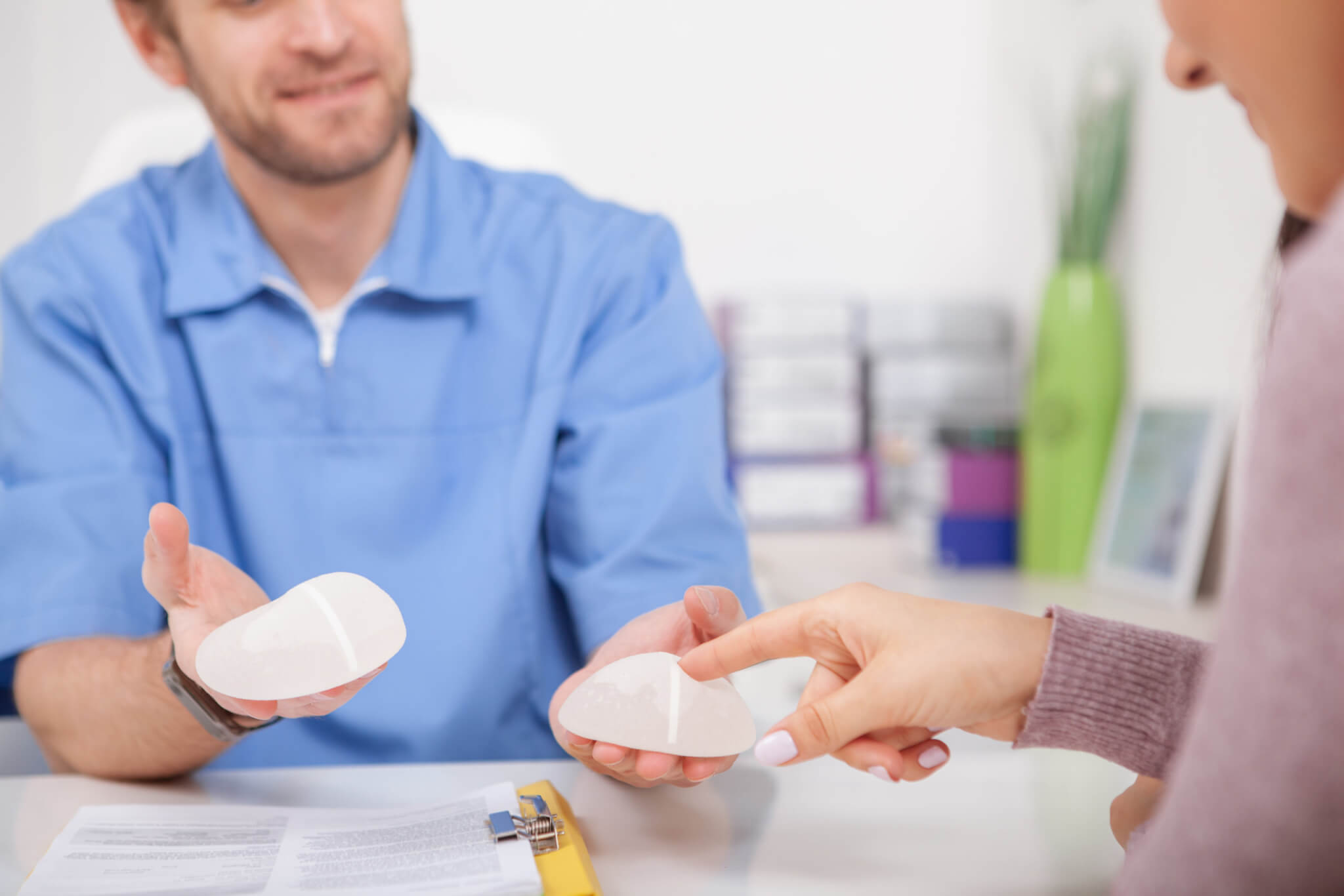
Breast enhancements used to be done solely using implants. While this traditional route has provided dramatic transformations that satisfied millions of women, one major criticism arose surrounding this technique: augmentations with implants often looked unnatural or even fake.
Luckily, alternative methods have been developed that can deliver perky, natural-looking, firm results without the need for breast implants. Recent developments in fat transferring processes have been continually made, and as a result, the new technology underlying fat grafting has begun to stand out.
While increasing your bust size and removing fat from areas with unwanted flab sounds nice, in reality, there are some benefits provided by and risks avoided with implants that are essential to highlight. This article will help you understand the procedural differences between the two types of breast augmentations: fat transfers and implants.
Fat Graft Breast Enhancement: Pros and Cons
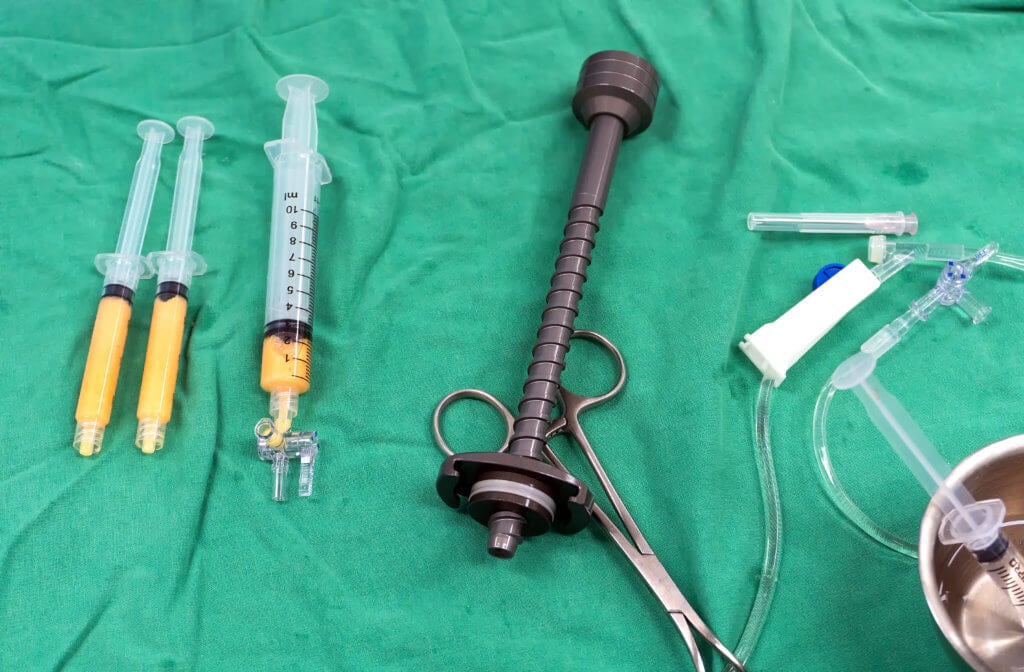
Fat grafting is a procedure that focuses on using your body fat to enhance the breast. Because your own fat is being used, the risk of your body rejecting a foreign substance does not really exist as it does with breast implants.
When talking about the advantages of fat grafting, there are no significant scars associated with the needed fat injections, as well as minimal risk of long-term breast thinning, rippling, or movement. With implants, the silicone or saline inserted into the breasts and move around or rupture.
Furthermore, routine maintenance is not necessary with fat grafting in comparison to breast implants, meaning those monthly check-ins are not a must.
Now, when examining the disadvantages of fat transfer breast augmentations, we must talk about the possible calcifications in the breasts from the fat injections. Some physicians worry this could interfere with future breast cancer screenings and treatments if needed. As you may have gathered by now, autologous breast enhancements require fat to be removed from a specific body part, meaning liposuction is involved in the process. If liposuction does not appeal to you, then you may want to steer clear of this type of fat transfer.
Also, if patients are looking for more massive breasts, they might not be able to achieve desired results with only one fat grafting procedure. The need for multiple sessions can increase the expected costs. Speaking of the price of breast enhancements, this procedure is more expensive than traditional breast augmentation using implants. Finally, not all of the fat moved to your breasts will remain, as the body will reabsorb a certain amount of the transferred material. This means that the results you see right after the procedure may not stick around for long.
Breast Implant Augmentation Advantages
Breast augmentations with implants is a procedure that enhances the breasts with the placement of silicone or saline-filled, pre-structured shells. Breast implants produce a reliable and predictable size change according to the patients’ expectations and demands. With fat transfer augmentations, your initial enhancement may not remain after the body reabsorbs some of the transferred fat.
Currently, implants are safer and more natural-feeling than ever, adapting to the body type and size. Unlike fat grafting, breast augmentation with silicone or saline implants does not need additional surgery on other body areas, meaning no liposuction involved.
When talking about costs and expenses, a breast augmentation with implants is cheaper than fat grafting, and in case of an emergency, implants can be removed without problems. In contrast, fat is more difficult to remove once it is placed in the breasts.
Disadvantages of Implants in Breast Augmentations
- Implants may break and leak, which means they might have to be changed and replaced over the patient’s lifespan.
- There’s a risk of rippling and visibility through the breast tissue, causing severe pain and possibly requiring the removal of implants if they’re too large for the body.
- Although the use of silicone implants is FDA-approved and thought to be safe for the body, it is not as safe as repurposing your own body fat.
- Visible stretch marks and scars may appear, affecting the overall look of the procedure.
- Most significantly, implants have the risk of causing capsular contracture, where the scar tissue thickens around the implant and causes it to harden and cause implant distortion.
The decision to go under the knife for breast augmentation using implants or fat grafting is not a simple one and should not be taken lightly. Consult your preferred doctor to see which procedure suits your aesthetic desires and health needs best.