
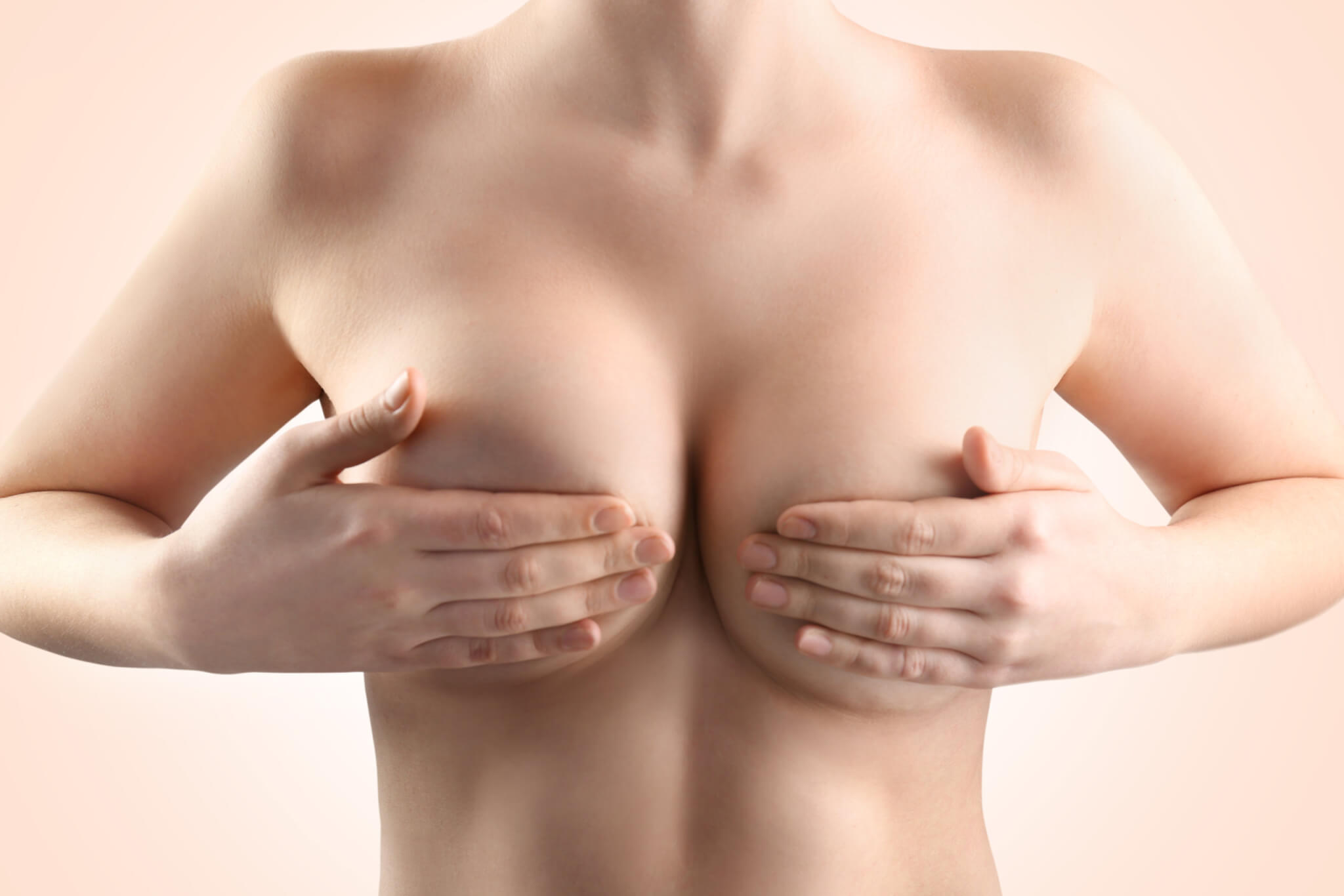
Breast augmentations are some of the most sought out plastic surgeries in the world. These procedures, which can substantially expand the size of one’s breasts, typically follow one of two methods: implants or fat transfer. Keep reading to learn about the types of implants patients can receive, and how much this surgery will likely cost.
Candidates for Breast Implants
Also known as a mammoplasty, breast augmentations are suited for a variety of candidates.
One common reason individuals opt for this surgery includes restoring fullness to their breasts after body-altering experiences like weight loss, pregnancy, and breastfeeding. Beyond mere augmentation, these procedures can help to improve asymmetry and give the chest a more rounded shape. Other candidates are those whose breasts did not fully develop.
If you have been considering this surgery, take your time to conduct the proper research. The better prepared you are before choosing, the more ready you will be for recovery.
Different Types of Breast Implants
Saline Implants
Breast implants made from a saline solution (salt water) are less popular than silicone, but still highly demanded. From a safety standpoint, if the implant pops or begins to leak, the saline contained inside can be naturally absorbed and dismissed in the body.
While they may be safer if something goes wrong, saline implants generally provide a more firm and unnatural feeling than silicone. To make them feel more natural, doctors often use structured saline breast implants, pre-shaped structures filled with salt water. Finally, one extra advantage of saline breast implants is that they require smaller incisions and leave less pronounced scars compared with silicone.
Silicone Implants
Silicone breast implants are just that, implants made up of a special silicone gel. One key reason patients opt for this implant is that the gel makes the breast feel softer and look more natural. This variety has less of a chance of rippling, wrinkling, or rupturing, but also comes at a higher price than saline.
In the case that the implant ruptures, the silicone will remain in its shell or may exit into the empty pocket made by the surgeon. While this scenario would be less than ideal, it should by no means collapse the implant.
People who receive silicone implants will have to visit their plastic surgeon for regular checkups. The doctor will likely conduct an MRI screening to evaluate the condition of the breast and implants themselves. Silicone implants are FDA-approved for individuals 22 years or older, as the breasts should be fully developed before this type of procedure.
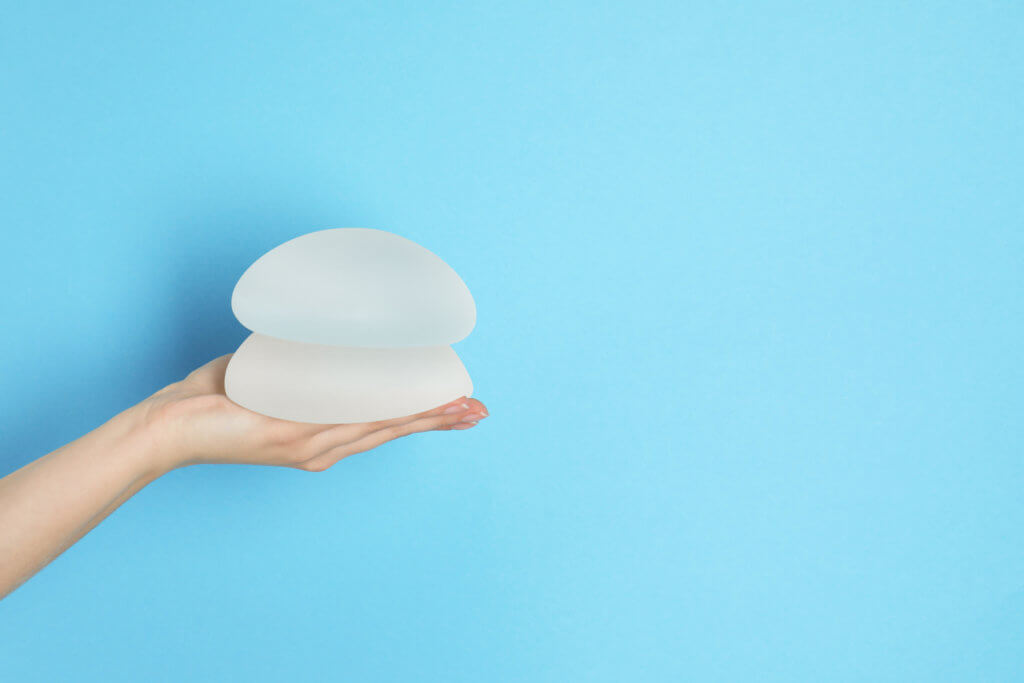
Gummy Bear Breast Implants
Technically a type of silicone implants, form-stable implants are called “gummy bear implants” because they do not lose their shape in the event of a rupture.
The gel in gummy bear implants is denser and more firm than traditional silicone or saline implants, but also require more extensive incisions than with other implants.
Gummy bear implants are projected at the bottom and more pointed at the top. If the implant rotates, it will make the breast look unusual and will require a different procedure.
Breast Implant Prices
Breast implant prices depend on several factors like location, doctor, and type of implants. Saline implants, on average, will be slightly cheaper, costing about $500 to $1,000 less than silicone.
Typical breast implant surgeries will range from $5,000 to $10,000 and are seldom covered by health insurance.