
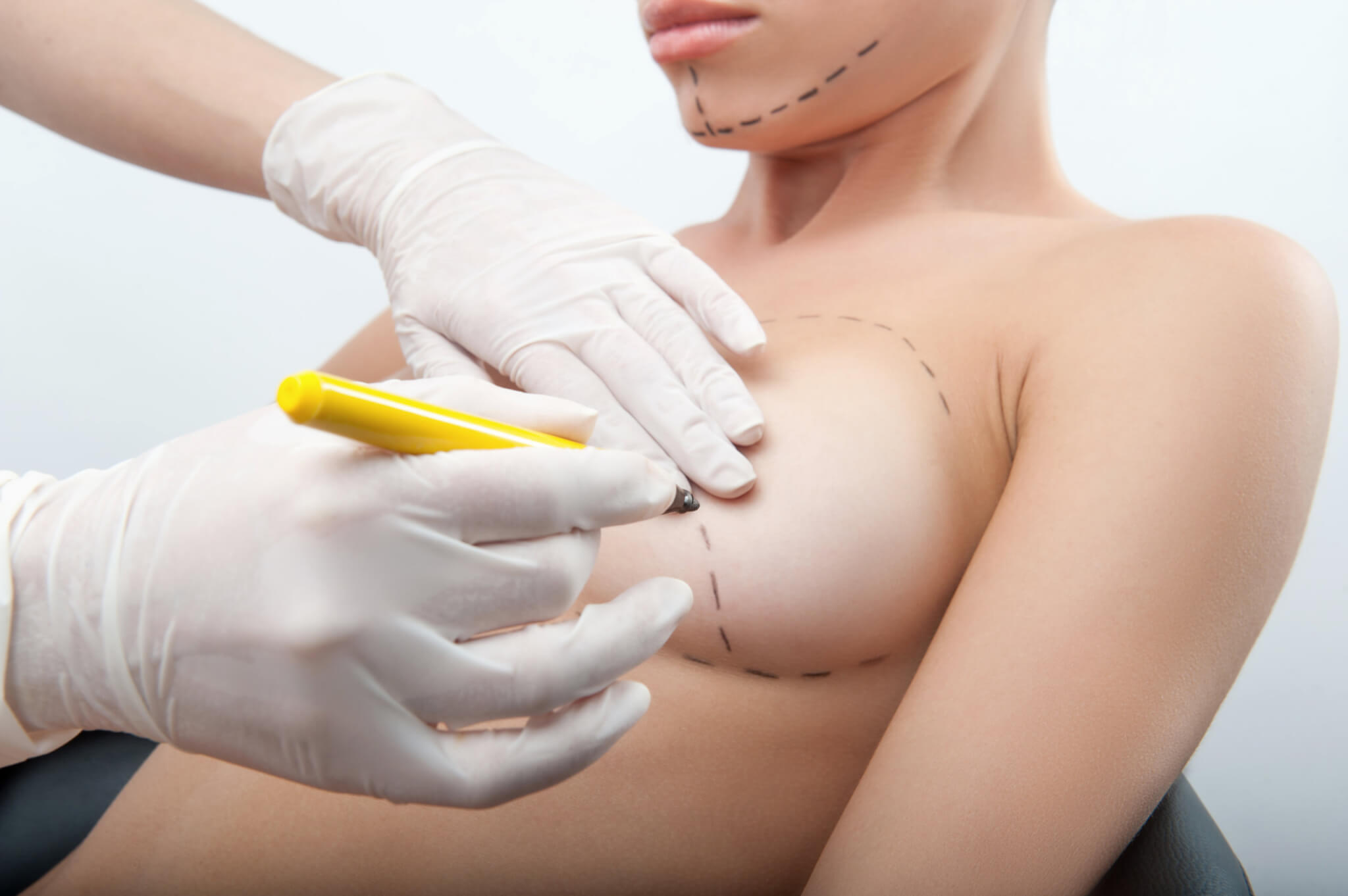
Women looking to enlarge the size of their breasts naturally often turn to fat transfer augmentations for the perfect solution. These operations have become less invasive in recent years, and they also offer several distinct features that cannot be matched by breast implants or other comparable procedures.
During these procedures, your surgeon will first remove excess fat from a specific area(s) of the body, then reinsert it into the chest to enlarge the size of your breasts. If you’re wondering about the techniques used during natural breast augmentations, associated risks, or pros and cons of this method, this article should clear things up.
What is a Fat Transfer?
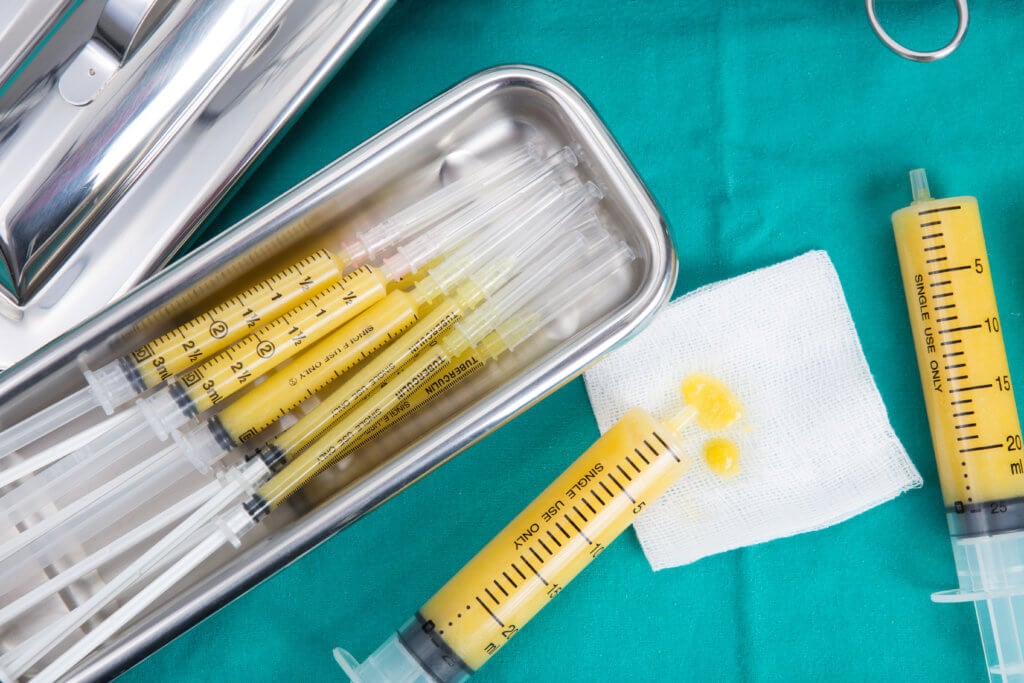
A fat transfer, also called a fat graft or fat injection, is a cosmetic procedure in which fat a surgeon transfers fat from one area of your body to another.
Women typically store fat in the abdomen or buttocks. Fat is sucked out of these areas and inserted into others that lack volume. This procedure has become a popular technique because of the natural results it can provide.
Fat grafting is also commonly used in cosmetic procedures for facial rejuvenation because it gives the skin a youthful appearance.
Fat Grafting Risks
Any surgery involves some risk. When fat is removed from one area of the body, treated, then inserted into another, not all cells survive this process. When fat is injected into the breast, the fat can become liquid and calcify, forming a cyst or generate some scarring.
Other unlikely, but possible risks of a fat graft include:
- Infection
- Hematoma
- Allergic reactions
- Calcification
- Breast asymmetry
- Fat embolism
Does ASAPS Recommend Fat Transfers?
The American Society for Aesthetic Plastic Surgery is well aware that using fat transfers for breast augmentation is increasing in popularity. They are clinically monitoring the safety and efficacy of this technique.
Because it has promising results, they believe this procedure will only have higher demand with time. They recommend you discuss the topic with your surgeon to be well aware of the latest findings and conclusions.
Advantages of a Natural Breast Augmentation
The main reason this procedure is becoming a popular option is that it avoids the use of implants. The incisions made are tiny, taking the fat out of one area of your body to introduce it to your breasts also reduces excess fat.
The complication rate is much lower, the breast looks a lot more natural, and they feel that way too. Most importantly, patients and their doctors are almost always satisfied and content with the results.
Disadvantages of a Natural Breast Augmentation
Some significant disadvantages also exist when it comes to comparing fat transfer breast augmentations with implants.
Fat transfers to the breast can augment them by one cup size only; if you have saggy breasts and your goal is to lift them, then you will need a breast lift.
In some cases, the fat transferred can be reabsorbed, and in other cases, it may not survive the graft. Both of these scenarios would result in less augmentation than initially planned. Furthermore, if you do have excess fat stored in other areas (like the abdomen or buttocks), this technique may not be an option for you.
Requirements for Fat Transfers to the Breasts
To qualify for this type of procedure, you must meet specific health requirements, have realistic expectations, and be fully aware of what your goal is. Because many patients use fat grafting as a means to rejuvenate and improve the aesthetic of your skin, most tend to be 30 years or older. These patients must also have enough fat in their bodies to be able to donate to other areas.