
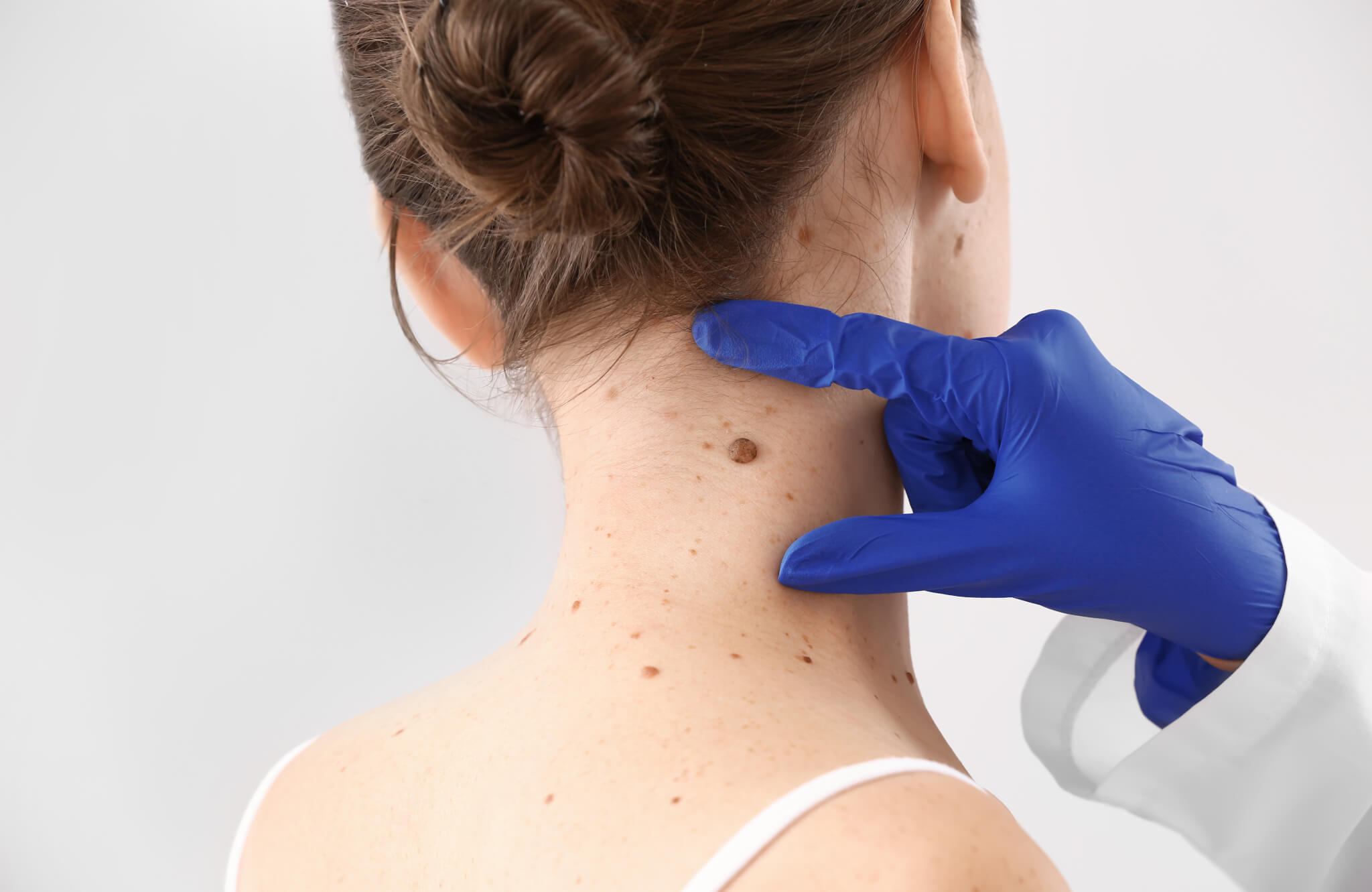
Moles can be removed by a dermatologist or a plastic surgeon, who will cut off the mole in a simple surgical process that may or may not require stitches. There is also a second way to remove a mole, called a shave removal procedure, which must be done by a plastic surgeon and uses a scalpel blade to achieve desired results.
While laser removal has been buzzing of late, in reality, it is neither practical nor safe because it cannot penetrate the skin deep enough, and it cannot remove enough of the sample for sufficient testing. Keep reading to learn more about removing your mole safely with cosmetic surgery.
Different Terms for Moles
Doctors use a variety of terms when referring to moles, so let’s take a look at the most commonly used references:
- Birthmarks, moles, or marks with which we are born.
- Hemangioma, which are abnormal formations of blood vessels.
- Keratoses, which generally appear after the age of 30 and are also known as precancerous spots.
What Causes Moles?
Some people have birthmarks or are born with moles, while other moles might appear throughout your life.
The most common reason we develop moles on our skin is due to constant sun exposure, which can lead to dysplastic or atypical moles. These may present a cause for concern, as they can be related to an increased amount of melanoma. If your family has a history of these types of moles or melanoma itself, you may be at an increased risk of developing these skin features.
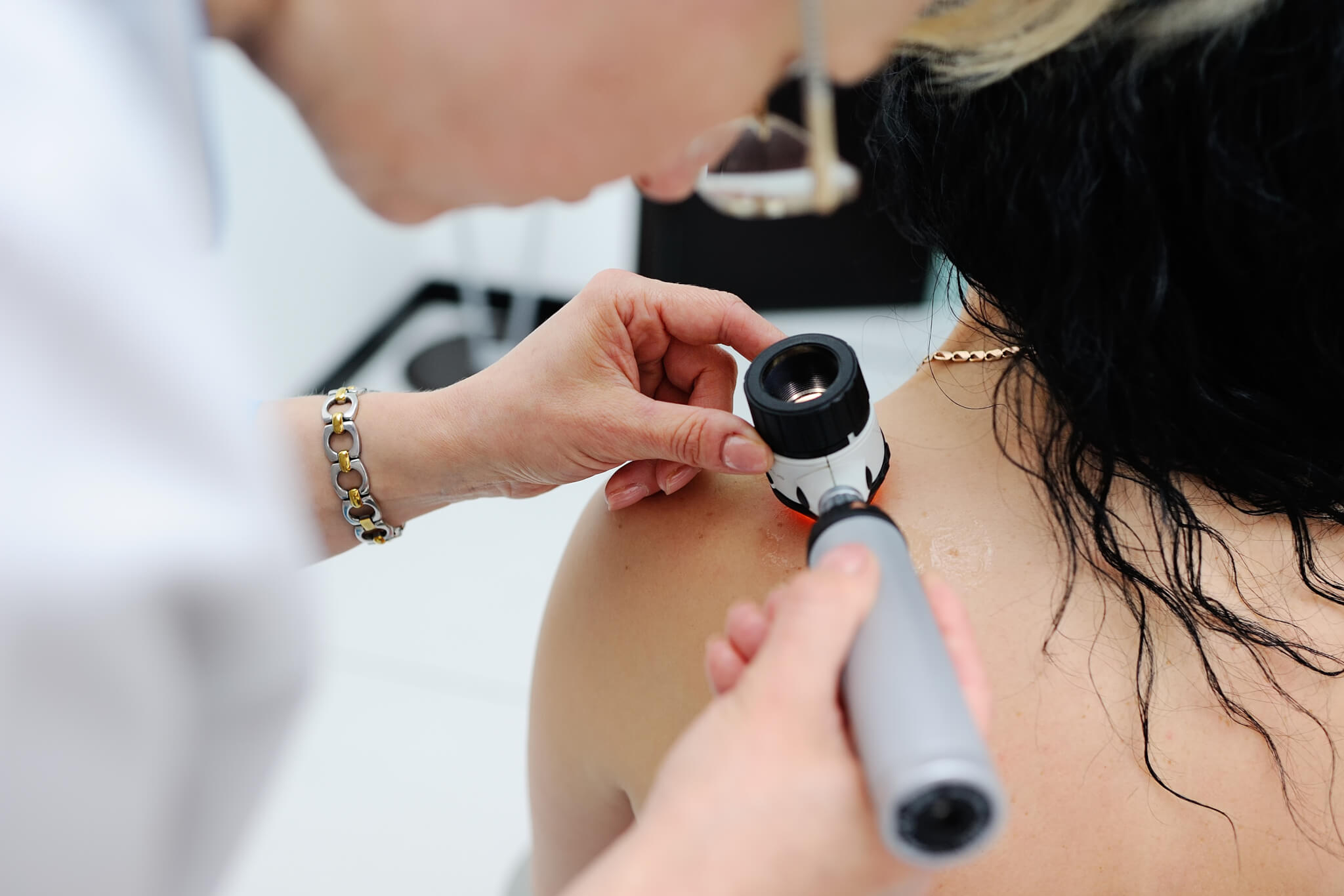
Risks of Mole Removal
Removing moles can be risky due to the potential for nerve damage, unappealing scarring, infections, or even an allergy to the anesthesia.
You should consult with a board-certified surgeon or dermatologist so they can review your case and go over the best options for you.
Several other risk factors depend on the type of procedure used to remove the mole and the area where the mole is located. The most commonly experienced difficulty patients report is the appearance of the scar, and in some cases, the placement of said scar. Although some patients decide to remove moles for aesthetic reasons without taking into consideration subsequent scarring, many patients remove moles as a precautionary method and do not have a choice.
As is the case with any medical concern that requires a cosmetic procedure, risks are always present, but these can be minimized by consulting your doctor.
Types of Mole Removal Surgeries
Mole removal procedures can generally be broken down into two categories: surgical shaving and surgical excision.
During surgical shaving, the doctor will numb the treated area, then use a scalpel to shave the mole off. The surgeon may remove matter slightly below the skin, as well. The wound will then be covered with a bandage without the need for stitches or sutures.
With surgical excision, the mole and a surrounding border will be cut out entirely using a scalpel. This type of procedure will leave a larger scar than with surgical shaving. If the doctor has concerns about a mole potentially being cancerous, a more extensive border may be removed to ensure complete excision. Stitches or sutures will be used to close the wound.