
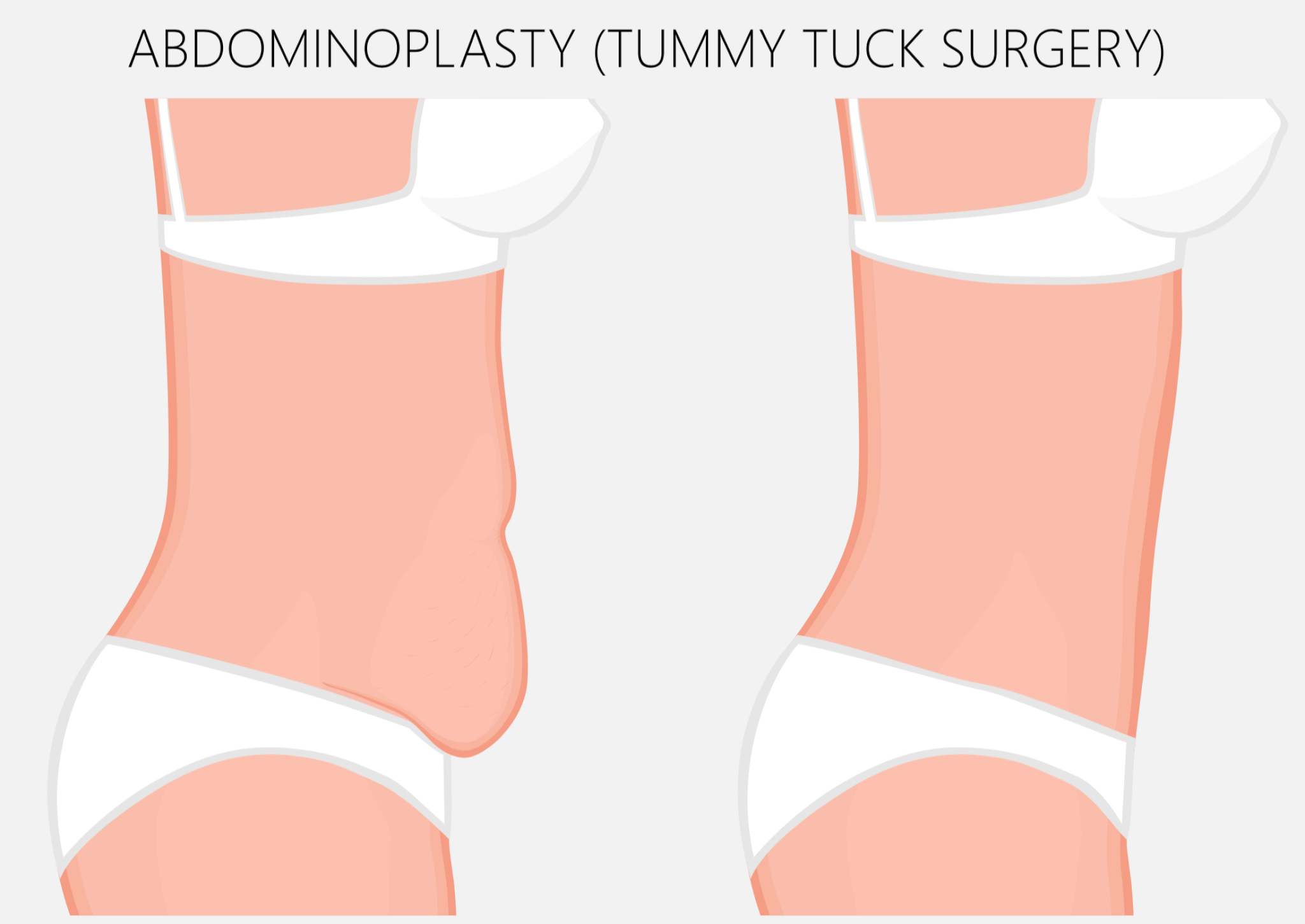
An abdominoplasty, casually known as a tummy tuck, is a surgical procedure designed to improve the aesthetic of the abdomen. During this procedure, excess skin and fat are removed from the stomach. Later on, fascia, also known as connective tissue, is tightened to give the stomach a more toned look.
Candidates for a Tummy Tuck
You’re a plausible candidate for a tummy tuck if you have excess fat deposits and loose skin around the area of your belly button. Also, those that have a weakened abdominal wall can get an abdominoplasty.
The reasons you may have some of these body features may include:
- Significant weight gain
- Pregnancy
- C-section surgery
- Older age
- Genetics
Abdominoplasties are also efficient for removing stretch marks below the belly button.
On another note, you should not consider getting a tummy tuck if you:
- Plan to lose significant weight.
- Are considering pregnancy.
- Have heart disease or diabetes.
- Are a smoker.
- Have had previous abdominal surgery and significant scar tissue.
Potential Risks Posed by Abdominoplasties
A tummy tuck is an invasive surgery, and like most surgeries, they involve several possible risks. These include the following:
- Seroma: fluid accumulation under the skin
- Poorly healed wounds
- Scarring
- Tissue damage
- Temporary numbness
- Adverse reaction to anesthesia
The Tummy Tuck Procedure
Tummy tucks are done under general anesthesia, meaning you will be entirely unconscious the whole time. Occasionally, the surgeon can instead perform the procedure with pain medication and moderate sedatives like twilight anesthesia.
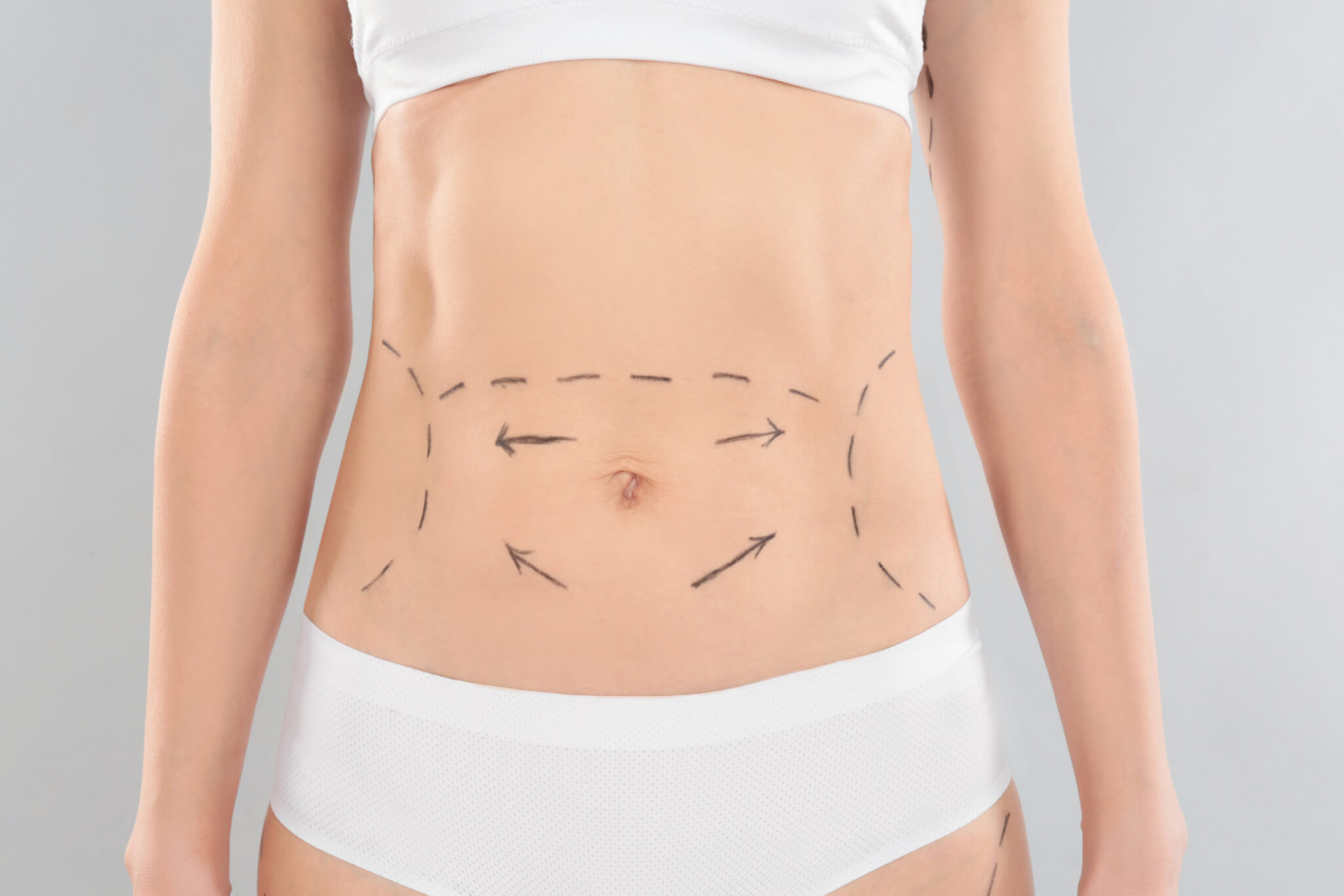
During an abdominoplasty, the surgeon makes a horizontal, oval-shaped incision and then removes the excess skin and fat in the area. Connective tissue (fascia) is then tightened with sutures.
Next, the surgeon will reposition the skin around the navel, and suture the belly button into its usual position. The oval incision will then be stitched together as well.
An abdominoplasty will usually take around three hours to complete, and you might be administered an antibiotic to prevent infection.
What Do You Feel During a Tummy Tuck?
Tummy tucks are done in board-certified surgical facilities. You’ll be under general anesthesia, meaning that you’ll be completely unconscious and will the procedure pain-free. After the procedure, you may receive pain-relieving medication.
Recovery from an Abdominoplasty
After the surgery, the treated area will be covered with surgical dressing. Small tubes may be placed around the incision site to remove excess blood or fluids.
Your medical team will help you walk as soon as your body is ready, often as soon as the day after the procedure. This step should help prevent the formation of blood clots. You may feel mild pain, but that can be easily resolved with pain medication.
For about a month and a half, you will need to be aware of your movement to avoid straining the incision line. Wearing a supportive abdominal garment will be required to counter possible fluid buildup while also assisting the abdominal region heal.