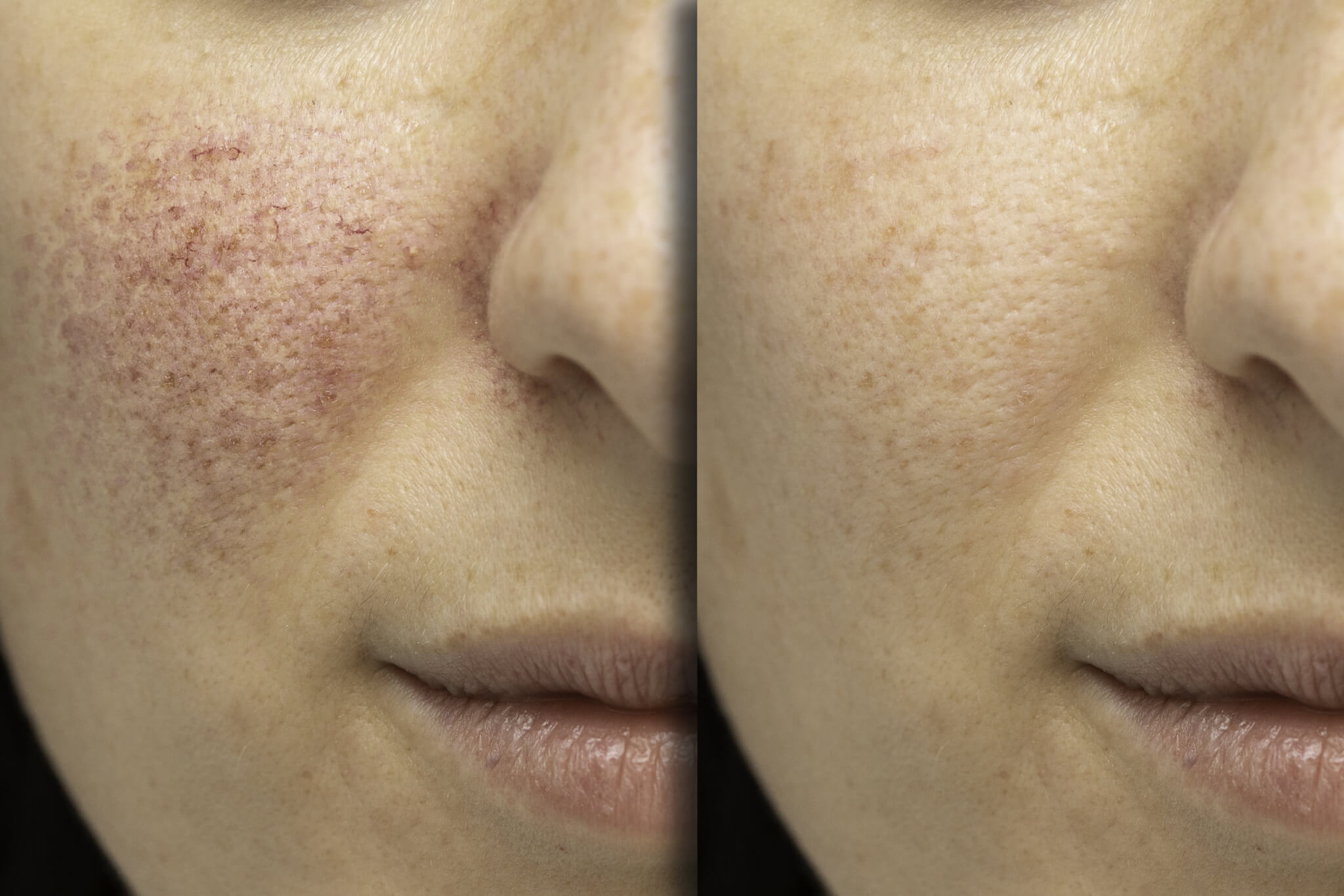
Cosmetic surgeons have a variety of treatments at their disposal to reduce the appearance of fine lines, wrinkles, or sun damage to the skin.
One of the most popular types of skin rejuvenation methods uses laser energy to remove discoloration and tighten the skin, among other things. Most of these laser procedures fall under two classifications, ablative and nonablative laser treatments.
Their main distinction centers on how intrusive each can be, as ablative laser treatments are more invasive than nonablative. Keep reading to learn more about the difference between these two types of laser skin treatments, and how they can be used to treat various conditions.
Ablative Laser Treatments:
Ablative laser treatments use a high-frequency wavelength of light that removes the outer layer of the skin. This process enables the skin to heal itself and create new layers while also increasing the production of collagen.
Results can last from one to five years. Ablative lasers are most renowned for the dramatic skin transformation they produce. Patients can see impressive results after the first treatment alone, a significant selling point for many individuals. These types of treatments include carbon dioxide laser and erbium laser, among others.
Ablative Laser Can Help With:
- Skin that shows significant lines of aging
- Deep facial scars caused by acne or an accident
- A considerable amount of sun damage
- Uneven skin pigmentation or texture
- Patients who want quicker and more significant results
- Wrinkles and loose skin
Because this laser treatment is more aggressive, it is essential to be aware of what they could cause. Side effects can include:
- Redness and swelling
- A required period to recover (2 to 6 weeks)
- Acne
- Infection
- Scarring
- Itching
Although recovery time and risks are involved, ablative lasers have proven to be the best option for deep acne scars and developed wrinkles. Particular topical anesthetics and cooling creams are often used to lessen uncomfortable sensations and pain experienced during treatment.
Nonablative Laser Treatments:
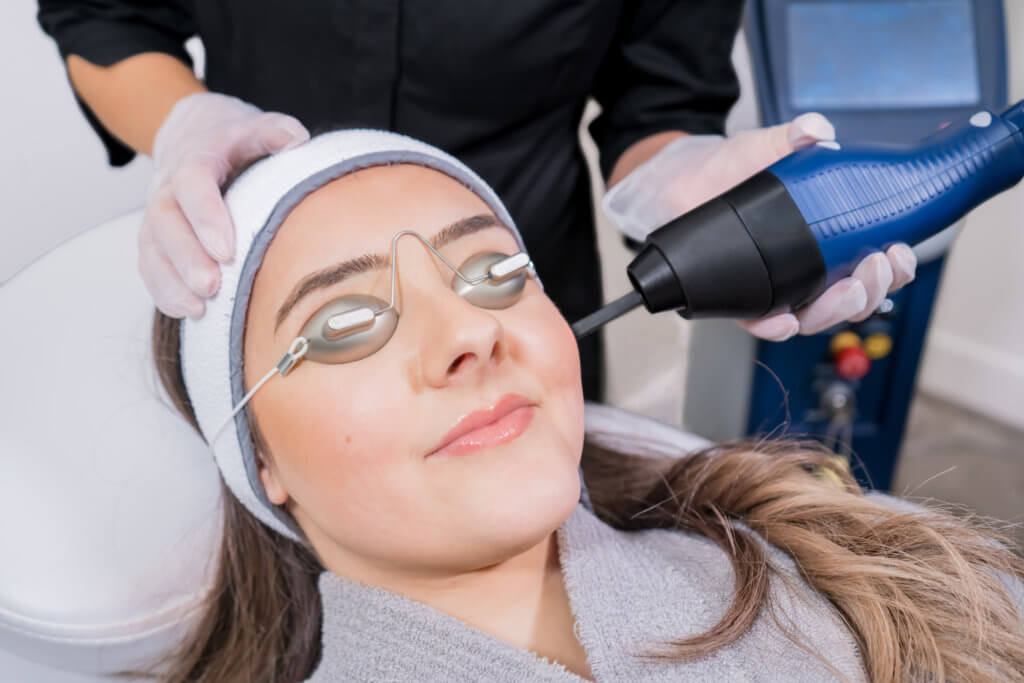
Nonablative laser treatments are considerably less invasive than ablative treatments. These direct heat deep into the skin to treat the area that lies underneath. This process allows collagen to rebuild, making this an option for those who:
- Want to improve fine lines or wrinkles
- Have minor scarring
- Want to reduce brown spots
- Aim to improve the overall texture of the skin
Because this is a more subtle method, to see the best results, you need more treatments. Ablative treatments are probably the best option if you need to get back to work quickly and cannot afford a few weeks of downtime. Popular nonablative brand names include Cooltouch, Fraxel Restore, and N-lite. Nonablative treatments include several types of lasers, as well as intense pulsed light (IPL) devices.
Price for Ablative and Nonablative Laser Treatments
Because laser treatments are considered a cosmetic procedure, medical insurance will not cover their cost.
Prices differ between each treatment. Nonablative laser treatments cost, on average, $1,031 per session, and ablative ones are about $2,330 per procedure. Of course, the price also depends on the number of sessions you need, as well as the dermatologist’s experience.
To achieve the most desired results, you will most likely need multiple sessions of both ablative and nonablative laser treatments.
Main Differences Between Ablative and Nonablative Lasers:
- How invasive they are
- Downtime
- Cost
What is the Best Treatment? Ablative or Nonablative Laser?
Every patient is different, and every necessity unique, so there isn’t one single answer. The best option is to consult with your doctor and see what best fits your needs and personal conditions.