Skin rejuvenation and resurfacing procedures can provide drastic results for those looking to alter or improve their skin’s appearance, especially on the face.
Many different options exist in the realm of rejuvenating and resurfacing your skin. These vary widely according to their degrees of invasiveness and technological advancement. Continue reading to determine which will most adequately suit your skin’s specific needs.
Conditions That Can Be Treated
Sun exposure, skin disorders, aging, and your genetic makeup can all damage your skin, but they do so in dramatically different ways. Because these skin irregularities have considerable differences, several unique treatments have been developed to best address patients’ needs.
Here are a few additional examples of blemishes you can improve with resurfacing or rejuvenation procedures:
- General scars
- Acne scars
- Wrinkles (both static, which are permanently visible, and non-static, which deepen with facial movement)
- Pigmentation
- Visible blood vessels
- Vascular lesions
- Rosacea
- Skin that lost its tone
- Dull skin
Types of Skin Rejuvenation and Resurfacing Treatments
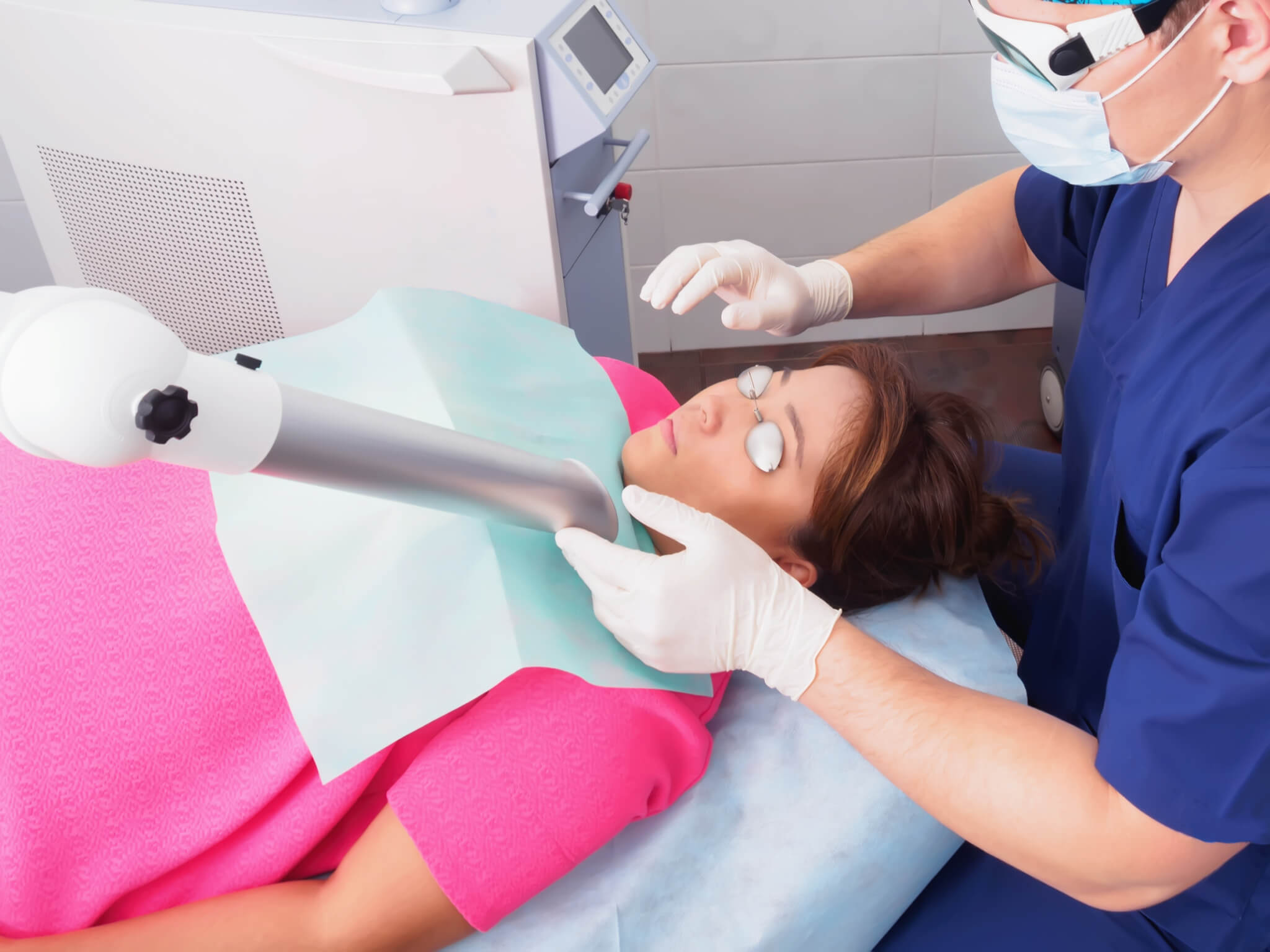
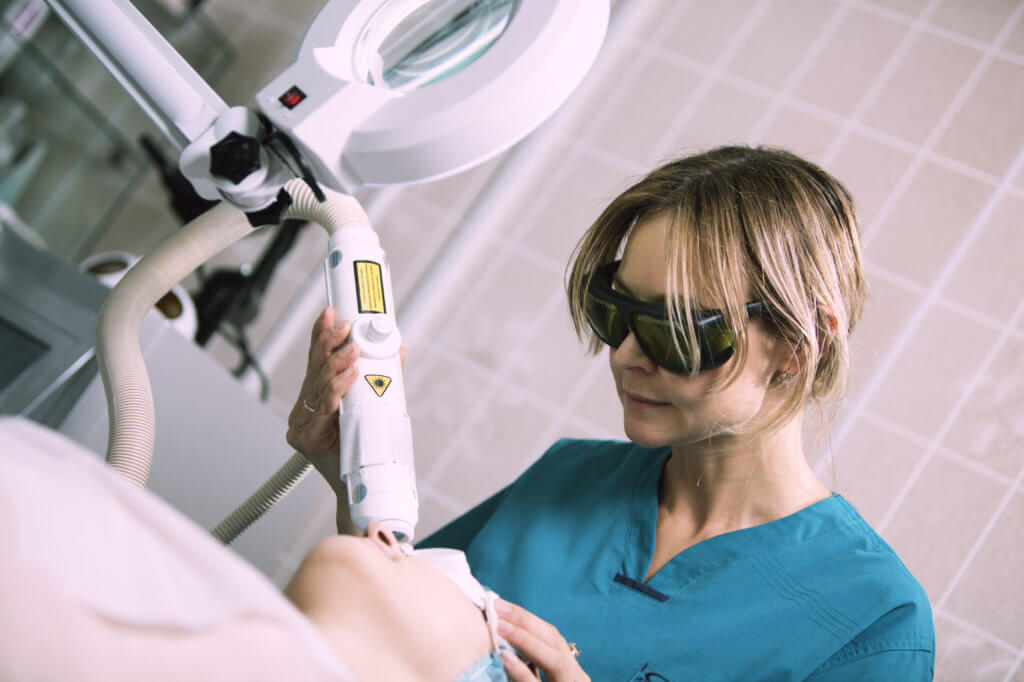
- Laser Treatments: This type of treatment can remove discoloration and tighten the loose skin by activating collagen production. Laser treatments can be ablative, meaning they remove outer layers of the skin, or non-ablative. Non-ablative lasers have minimal impact on the surface and instead treat deeper irregularities.
- Mechanical Procedures: Once again, we can divide this category up as ablative or non-ablative. Examples of mechanical ablation include dermabrasion and dermaplaning, two methods that involve surgical scraping of the skin to soften surface irregularities. Non-ablative mechanical procedures use a minimally invasive sanding treatment to address light scarring and discoloration. Noteworthy examples include microdermabrasion, micro-needling, and light acid peels.
- Light Treatments: Intense pulse light (IPL) treatment is of the more common examples of these procedures, helping to address many of the same irregularities as laser procedures with considerably fewer side effects. Discoloration, sagging, and wrinkling can all be treated by IPL with less downtime than laser treatments. This catch is that light treatments can require multiple sessions to achieve optimal results.
- Fillers and Injections: These types of treatment have been around for the longest amount of time. Fillers and injections can help patients fill fine lines, add volume to age spots, improve skin contouring, relax wrinkles, or mask unappealing surface veins. Dermal fillers, botox, and spider vein treatments all fall under this category of skin rejuvenation and resurfacing techniques.
- Chemical Treatments: This type of rejuvenation and resurfacing treatment uses several types of acid peels in a variety of combinations to remove outer layers of your skin. Similar in aim to ablative laser treatments, chemical peels can spur the creation of collagen to rejuvenate the skin’s appearance and feel.
Candidates
Candidates for skin rejuvenation and resurfacing procedures should all have relatively good health. Their explicit goal should be to upgrade the skin’s appearance without surgery, but keep in mind that expectations should be realistic. Candidates should also be prepared for short-term pain and discomfort during and after the procedure. If you are a constant or chronic smoker, cannot avoid regular sun exposure, or take certain medications that can interact with your treatment, you may not be eligible for skin rejuvenation or resurfacing.
Skin Rejuvenation and Resurfacing Results
Because all of the listed procedures use different techniques to achieve distinct goals, your results will vary accordingly. Your specific body and skin characteristics will also greatly influence your results. That being said, you can expect rejuvenation and resurfacing treatments to help provide even skin tone, smooth texture, greatly diminished wrinkles and fine lines, more complete and tightened facial features, and an overall improved appearance.
Risks of Rejuvenation or Resurfacing
The risks associated with skin rejuvenation or resurfacing procedures also vary depending on the individual, method, and practitioner. While minor complications may occur, they rarely produce drastic effects. Examples of risks and side effects include burns, scarring, infection in the treated area, pigmentation irregularities, delayed healing, textural changes, increased risk of sunburn, and possible allergic or adverse reactions to the chemicals used.
Major complications that last for an extended duration are incredibly uncommon. Still, you should always be sure to go over all questions and concerns with your surgeon, dermatologist, or caregiver. General anesthesia is rarely used, but if you do require it, the possibility of additional side effects will arise. Finally, we should note that for the first year following a resurfacing procedure, you must exercise abundant caution protecting your skin from extended sun exposure.
Cost of Different Skin Treatments
Ablative laser resurfacing procedures usually run more expensive than non-ablative treatments, with the former costing in the ballpark of $2,500, and the latter a little over $1,000 on average. On average, non-surgical skin tightening will cost roughly $2,000, while IPL treatments cost about $400 per session. All of these numbers will vary according to the specific surgeon, facility, use of anesthesia, medical tests, and of course, the chosen method.